
3
2009
Who Discovered Constellation Sagittarius
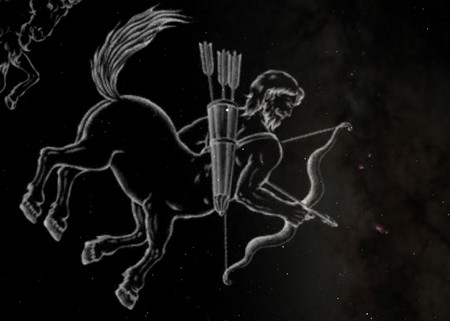
Sagittarius contains a number of dazzling nebulae. Seen through a telescope, Sagittarius looks like a universe of light. In Latin Sagittarius means “the archer.” The constellation is associated with a centaur drawing a bow. Sagittarius is found in Capricorn to the east and Ophiuchus to the west. One of Sagittarius’s most spectral sights is the Lagoon Nebula (M8). It is considered a diffuse nebula: In the sky they look like scattered gold dusts. Lagoon Nebula […]
 An article by

3
2009
Who Discovered the Constellations
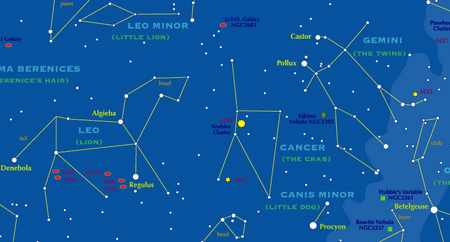
Stars fascinate people all the time. Ancient and old civilizations have different ways of looking at stars. Some viewed stars as signs, some as other worlds. Farmers, poets, seafarers took the stars as reminders of good and bad luck. Ancient land and sea wanderers used the stars as memory aids so they would not be lost. On the other hand, farmers read the stars to prepare for a good or bad harvest. This lead to […]
3
2009
Who Discovered Constellation Leo
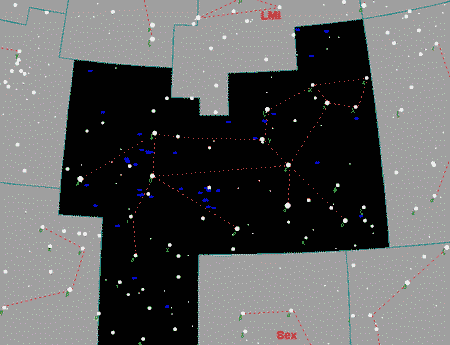
Constellation Leo is very easy to spot in the night sky. In spring it takes up much space in the northern hemisphere. In autumn Leo runs to the southern hemisphere. Leo is the fifth zodiac sign, but is the most visible of all. How do you know you are looking at Leo? You are supposed to see a crouching lion that looks to the west. You should see the head and mane clearly, above which […]
3
2009
Who Discovered the Quadratic Formula
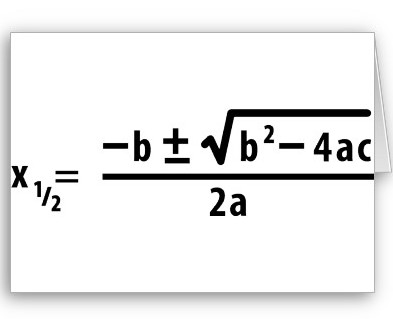
This is the quadratic formula: x1,2=(-b/2a) ± (1/2a)(b2-4ac)1/2 It is said the quadratic formula has been used and known by man for thousands of years. The equation has changed a number of times, too. Some 2000 years ago, the Chinese, Babylonians, and Egyptians already knew the area of a square levels with the length of its sides. Using bales of hay, they figured they could stack nine bales more if the roof space were three […]
3
2009
Who Discovered Venus
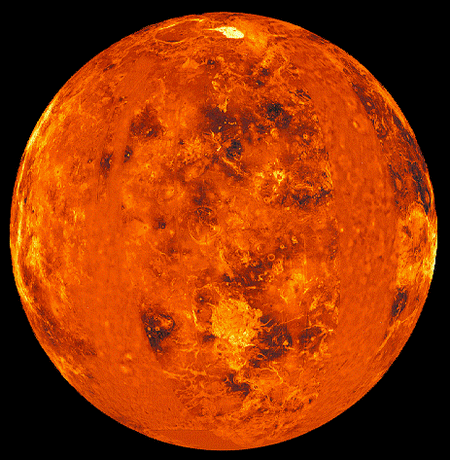
Venus is the earth’s nearest neighbor. Aside taking its name from the Greek god of beauty, Venus is also known as the Evening Star. Venus can be seen in the sky before sunrise and after sunset. Venus is closer to the sun than it is to earth. The 6th largest planet in the solar system, is a rarity: It is the only planet that orbits clockwise. Venus rotates with barely 1% difference. Earliest sightings of […]
3
2009
Who Discovered Saturn
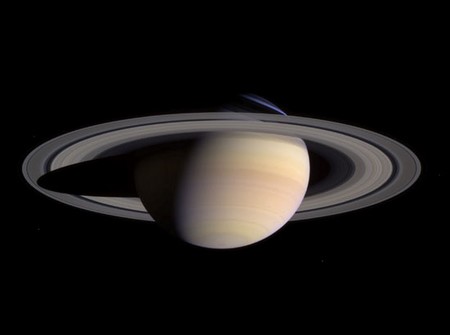
In the same manner that Gemini and most constellations were not discovered, Saturn has no known discoverer, either. Saturn and the rest of visible and partially seen space objects have been known by man since prehistoric times. Saturn’s rings were not seen, until the telescope was invented. On a clear night Saturn is easily visible in the sky. The ancient Greeks named planet Saturn after their god of time and agriculture. Saturn’s rings were not […]
3
2009
Who Discovered the Mitochondria
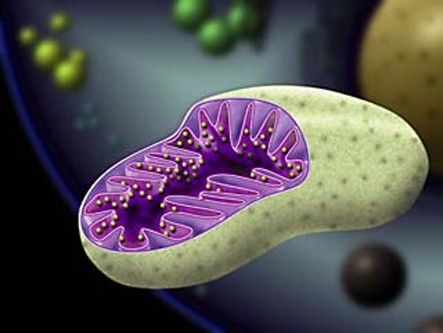
Mitochondria are the powerhouse of the cell. You can say supplies electricity the cell. Mitochondria are organelles in the cells that have special functions: They make ATP (adenosine triphosphate) that keeps the cells in good running condition. Other than that, mitochondria are responsible for cell reproduction and cell death. Earliest studies on the mitochondria The first recorded study ever made in the mitochondria was made by Richard Altman in 1840. He came to know about […]
3
2009
Who Discovered Mercury
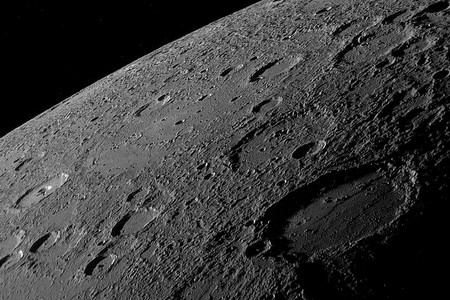
The earliest record about planet Mercury is found in Babylonian and Sumerian writings about 3000 years ago. There is also mention of Mercury in ancient China, India, and in the tombs of Egypt. The evidence dates back to 1500 years BC. Mercury is hard to see because it does not go far from the sun. This was the same problem that ancient astronomers faced. Ancient Greeks called Mercury by two names: Apollo and Hermes. The […]
3
2009
Who Discovered Planet Mars
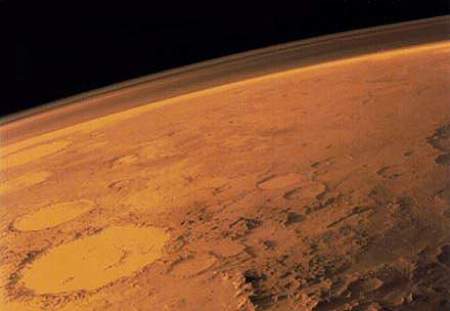
Mars is the fourth planet from the sun. It is also called the Red Planet. Mars turns red because of huge iron dust deposits on its surface. Mars’ many names in the past In the old days Egyptians called Mars as “Har Deucher” (The Red One). The Babylonians called Mars as “Nergal” (The Star of Death). The Greeks named Mars after Ares, the god of war. The Romans gave Mars its present name. Scars on […]
2
2009
Who Discovered DNA
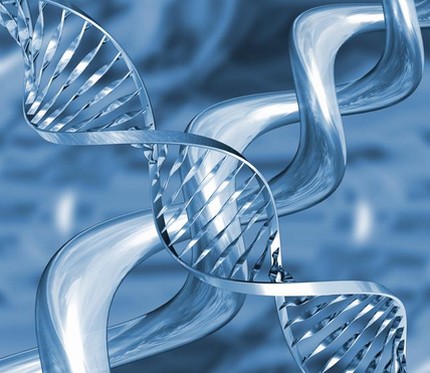
You can look at the DNA as a set of codes. These codes contain information that we have inherited from our mother and father. The DNA contains protein codes that decide how tall or dark you will be, or how long you will live. Well, almost. Who discovered the DNA DNA is short for deoxyribonucleic acid. The discovery of DNA came about as the high point of James Watson’s and Francis Crick’s research. Another important […]
Latest Guides
- Five-Minute Spins bei Gomblingo: Schnelle Sessions für schnelle Ergebnisse
- Swift Casino für den Five-Minute Player: Schnelle Spins, Rasche Entscheidungen
- Kurze Bursts, Große Spins: Warum Quick-Session-Players immer wieder ins SkyCrown Casino zurückkehren
- QuickWin: Donde la Acción Instantánea Encuentra Profundidad Estratégica
- LalaBet Casino Review: Snelle Sessies en de Kunst van de Snelle Spin
- Come selezionare i migliori siti di casino online non AAMS affidabili e sicuri
- PGKING Login: Panduan Akses Cepat dan Aman untuk Sesi Bermain Singkat
- Why the Latest Jackpot Buzz Is All About Patrick Spins Casino
- Uncover the Most Family Friendly Walks Across Britain’s Breathtaking Natural Scenery
- Golisimo: Where Modern Gaming Meets Uncompromising Player Experience
Random Guides
- Kumarhanelerde ?ans ile Planlama
- Kumarhane Oyunlar?nda Yakla??m ile Üstünlük
- Bettilt ou Sites Tradicionais: Qual a Opção Mais Benéfica para os Novos Jogadores
- Who invented the Computer
- ???? 1xbet ???? ???????? ?? ????????: ?? ?? ????? ?????? ??? ???????? ????????? ???? ?????
- Come selezionare i migliori siti di casino online non AAMS affidabili e sicuri
- Who Invented the Toilet
- Who Invented Air Conditioning
- Bahis Aktivitelerinde Taktik ve Ba?ar?
- Moderne Online Casinos in Deutschland 2024: Spitzenmäßige Bonusangebote & rasche Auszahlungen