
2
2009
Who Discovered Hydrogen
 An article by
Hydrogen is found all throughout the universe. It is very flammable and is also found in most life forms, especially plants. We consume daily doses of hydrogen through water and food.
Who discovered hydrogen
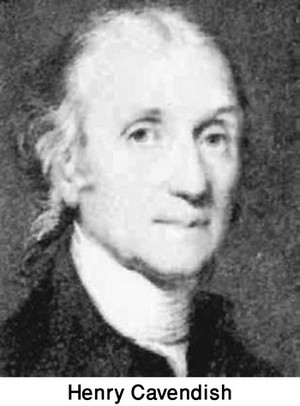
T. Von Hohenheim is widely credited as the discoverer of hydrogen gas (H2) in the 15th century. Von Hohenheim accidentally discovered hydrogen by mixing acids and metals. He did not know for sure that the two would produce a new chemical element. It would take Robert Boyle to detail the reaction between acids and metals. He made this observation in 1671. The first to recognize hydrogen as a distinct substance was Henry Cavendish. In 1766, he discovered that the gas produced from a metal and acid reaction was highly inflammable. He later found out that hydrogen turned into water when burned.
Quite unlike T Von Hohenheim, Cavendish discovered hydrogen while experimenting with mercury and acids. Antoine Lavoisier repeated Cavendish’s experiment in 1783. This time he named the element hydrogen.
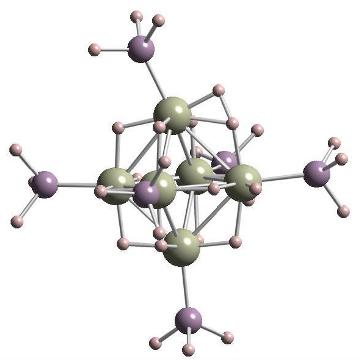
Uses of hydrogen
Hydrogen has very specific uses because it is dangerous. In the old days it was used to lift aircrafts such as balloons and zeppelins. But once up in the air balloons would burst, so hydrogen was replaced with helium for safety. Hydrogen is very volatile.
In welding hydrogen is used as a shielding gas since it keeps the weld free from oxygen and nitrogen. Liquid hydrogen is a lot colder than 14 Kelvin, so it has much use in superconductivity and cryogenic freezing. Isotopes of hydrogen are used for making nuclear reactors. Other hydrogen isotopes have uses in making luminous paints and hydrogen bombs.
While some quarters argue that hydrogen may be safe to use as clean fuel, it is still subject for confirmation. In fact, using hydrogen as fuel means consuming huge amount of fossil fuels.
Manufacture of hydrogen
Hydrogen is mass produced through steam reforming and electrolysis. While the latter process is environmentally safe, it remains very expensive. Steam reforming may be cheaper but it contributes to greenhouse effect. In the United States alone, some 9 million metric tons of hydrogen is made yearly.
Other commercial uses of hydrogen
Processing food is not possible without the use of hydrogen. The space shuttle loads up hydrogen before it flies into orbit. Our cell phone and laptop computers have hydrogen-fueled batteries, but in fossil form. It has been proved that hydrogen fueled power plants can supply electricity even at the onslaught of natural disasters like hurricanes and earthquakes.
On the other hand, cars running on hydrogen fuel can cut greenhouse effect. More than that, hydrogen comes in very handy as it can be stored in a pressurized tank. Today hydrogen is not too rare to find: It can be formed from liquid fuel, such as natural gas or methanol. This is made possible by a reformer. The technology, however, is at its infancy stage.
Finally, cars using a reformer may fume out noxious wastes, but they may be too petty compared with those coming from regular combustion engines.
Related Guides


