
2
2009
Who Discovered Calcium
 An article by
The Romans knew calcium was a part of lime. But they could not take it out in its pure form. Instead they used calcium oxide to make lime. In 975 AD calcium phosphate, or plaster of Paris, was used to paste back broken bones.
Sir Humphry Davy of England separated it from lime through the process called electrolysis. He mixed lime with mercuric oxide and put electric current through it. Calcium floated up the surface as silver-white powder.
Sir Humpry Davy was inspired by Berzelius and Pontin. He learned that the two scientists had been able to prepare a calcium mixture by electrolyzing lime from mercury.
The building block of bones
Calcium is the fifth most common element on the Earth’s crust. Calcium was rare until the start of the 20th century. It was later proved to be very important to animals and humans. All living cells need calcium. It is the richest alkali metal found in most animals. Human bones and teeth need calcium to stay strong. Calcium is the building block of the skeleton. Calcium is used to make glass, bricks, and cement.
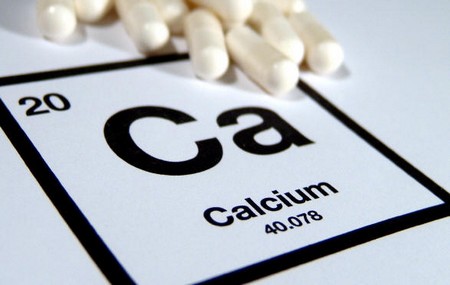
There is rich calcium in bird’s eggs and mollusk shells. Calcium is used to reduce halogen and oxygen from their metal compounds. It is also used as a reagent in purifying inert gases, making alloys, fixing nitrogen in the atmosphere, and many others.
Calcium and human health
Calcium is seen as a remedy to diarrhea. A group of experts have observed that people with diarrhea reported relief after taking 500 mg of calcium supplements every day. Majority (67% of the 24 participants) said their bowel movements returned to normal after only two days.
When taken with vitamin D, Calcium lessens bone loss in postmenopausal women. This is because calcium works with estrogen and gets combined with progestogen. For quick results, calcium deficient people should stay out in the sun for no less than 20 minutes during day time. Calcium is the only known cure to osteoporosis.
Adults should take 1000 mg of calcium daily. Women with low estrogen should take a dosage between 1200-1500 mg. The best source of calcium for health should be food. If one exceeds the required amount of calcium intake per day, it makes the kidney work harder.

In fact, too much calcium does not have any effect on the bones. Calcium is absorbed by the intestines in the form of calcium carbonate.
Other uses of calcium and its compounds
Other than medicinal uses, calcium is used widely for commercial and industrial purposes. Calcium is used as a reducing agent for extracting metals such as thorium, zirconium, and uranium. It is also used for de-carbonizing iron and non-iron metals. Moreover, calcium is vital in making copper, lead, and aluminum.
Calcium is likewise used to make cheese. Milk coagulates when calcium ions impact on the action of rennin. IN the form of calcium carbonate, calcium becomes classroom chalk. Calcium carbonate plus other compounds becomes limewater.
Calcium hydroxide and calcium oxide are used in steel-making and waste management. Calcium hydroxide is present in many hair-removing products on the market.
Related Guides


